Hospice Intensive - Vikki Henson, RN, GC-C and DHSS Staff November 9th 8am-11:00am
Intensive Sessions
Location
Resort Lake of the Ozarks
Summary
This informative session provided by the Missouri Department of Health and Senior Services Bureau of Home Care and Rehabilitative Standards will discuss the hospice regulation and survey process in Missouri. It will include statistics, most frequently cited deficiencies, and plan of care development. It will provide attendees with survey forms and tools, give real life examples of deficiencies, ideas for an individualized plan of care and tips to ensure success with your next survey.
Palliative Care Intensive -Compassion Meets Innovation: AI in Palliative Care – Kuljit Kapur, DO MBA Chief Medical Officer November 9, 2026 8am-11am
Intensive Sessions
Location
Resort Lake of the Ozarks
Summary
This presentation explores the evolution of palliative care through the integration of artificial intelligence and innovation while preserving the core principles of compassionate, patient-centered care. As healthcare continues to advance, concerns remain about whether technology may replace the human connection that is central to palliative care. This session demonstrates how AI serves not as a replacement for clinicians, but as a tool to enhance care delivery by reducing administrative burden, identifying patient risks earlier, improving workflow efficiency, and supporting clinical decision-making. Participants will explore current AI applications in palliative and chronic care management, review outcomes related to patient monitoring and readmission reduction, and discuss how technology can strengthen, rather than diminish, the compassion and presence that define quality palliative care.
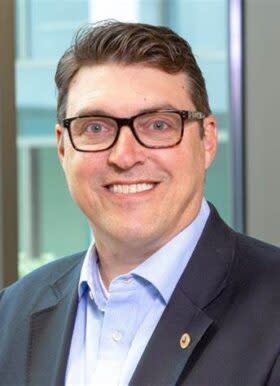
Protecting Hospice Care: Navigating Policy, Compliance, and Integrity Without Getting Crushed by Regulation November 9th, 2026 12 noon -1pm
Monday Keynote Session
Location
Resort Lake of the Ozarks
Speakers
-
Paul Tatum - MD
Summary
Hospice providers are facing unprecedented scrutiny as federal and state policymakers respond to concerns about fraud, program integrity, and the future of the Medicare Hospice Benefit. This keynote will explore the current regulatory landscape, including CMS initiatives, Medicare Hospice Enrollment Moratoriums, hospice integrity legislation, and emerging policy trends that are reshaping hospice care across the nation.
Participants will gain practical strategies for understanding and responding to these challenges while maintaining a focus on high-quality, compassionate patient care. The session will examine how tools such as the PEPPER Report can be used to identify potential areas of risk, strengthen compliance efforts, and support continuous quality improvement. Attendees will also learn effective approaches for communicating these complex issues with staff, patients, families, and community stakeholders, as well as practical advocacy strategies to engage state and federal policymakers in protecting access to hospice care.
Learning Objectives
At the conclusion of this session, participants will be able to:
• Describe current national and state regulatory, legislative, and policy issues affecting hospice providers and the Medicare Hospice Benefit.
• Interpret PEPPER Report data to identify potential compliance risks and develop strategies to improve organizational performance.
• Discuss hospice integrity initiatives and their impact on patients, providers, and access to care.
• Develop effective communication and advocacy strategies to educate community members, patients, families, and policymakers about the value and importance of hospice care.
1-A Live Discharge in Hospice: Challenges & Opportunities – Robin Carnett, RN, BSN, CHPN
Session 1
Location
Resort Lake of the Ozarks
Summary
Live discharge in hospice presents growing complexities. Learn best practices to improve transitions, ensure equipment coverage, reduce risk, enhance patient experience, and strengthen operational performance.
1-B End-of-Life Doulas and Hospice: A Collaborative Approach, Monica Korba, RN November 9th, 1:45 - 2:45pm
Session 1
Location
Resort Lake of the Ozarks
Summary
How can end-of-life doulas and hospice teams work together to enhance comfort, dignity and holistic support for patients and families.
1-C Dying Well: The Legal Piece Nobody Talks About, Tina Parsley Hughes, BS, MBA, JD, LLM November 9th 1:45pm - 2:45pm
Session 1
Location
Resort Lake of the Ozarks
Summary
Legal documents shape every end-of-life story. This session equips care providers with practical knowledge to recognize, understand, and act on the legal aspects of end-of-life care. Participants will explore key legal documents commonly encountered in hospice and palliative care settings, including healthcare directives, powers of attorney, and DNR orders. The session will also address decision-making authority, capacity concerns, family disagreements, and effective communication strategies for discussing legal planning with patients and families. Through real-world examples and practical guidance, attendees will gain confidence navigating the legal framework that supports quality end-of-life care.
2-A: Veterans Suicide, Question, Persuade, Refer (QPR) Gatekeeper Training – Jon Sabala, Veterans Services Director, Missouri Department of Mental Health (35 max in room) November 9th 315pm - 4:15pm
Session 2
Location
Resort Lake of the Ozarks
Summary
The Question, Persuade, Refer (QPR) Gatekeeper Training equips participants to recognize suicide warning signs, engage supportive conversations, and connect individuals in crisis with appropriate life-saving resources.
2-B: Illinois MAID – Medical Aid in Dying- Lessons Learned from a Neighboring State, Ellen Byrne & Katie Lord - Illinois Hospice Organization November 9 - 3:15pm- 4:15pm
Session 2
Location
Resort Lake of the Ozarks
Summary
The passage of Illinois Senate Bill 1950, signed into law on December 12, 2025, made Illinois the first Midwestern state to legalize medical aid in dying (MAID). This presentation introduces Missouri hospice leaders, clinicians, and staff to the legal, operational, and ethical landscape of MAID through the lens of Illinois's experience — and the practical steps Missouri organizations can take now to prepare for potential future legislation.
Participants will examine key provisions common to many state MAID laws, including eligibility criteria, attending physician responsibilities, and conscience protections for both individual clinicians and health care entities. Beyond compliance, this session emphasizes fostering tolerance and mutual respect among staff with differing views, so that compassionate, consistent care remains the standard regardless of organizational policy.
2-C: Improving the Approach to Deprescribing Conversations, Somi Arthur, PharmD, BCGP November 9, 3:15pm - 4:15pm
Session 2
Location
Resort Lake of the Ozarks
Summary
The CAHPS (Consumer Assessment of Healthcare Providers and Systems) survey and HOPE (Hospice Outcomes and Patient Evaluation) tool are now integral to hospice quality assessment. This presentation explores pharmacologic and nonpharmacologic strategies for managing common end-of-life symptoms and effective communication techniques to improve patient comfort, caregiver support, and CAHPS and HOPE outcomes.
ACP for Hospices: The Intersection of Hospice Care and Maid Care and MAID, Barbara Hansen, ED, RN Oregon & Washington State Hospice OrganizationsNovember 10 8am- 10am
Tuesday Keynote Speaker
Location
Resort Lake of the Ozarks
Summary
Abstract:
Evidence from states where MAID is legal consistently show that a high percentage of individuals who pursue MAID have elected hospice care. This session will provide an opportunity for hospice programs to discuss the many policy considerations, operational practices and plans for staff education that may need to be implemented should MAID become legal in your state.
Learning Objectives:
At the conclusion of this presentation, participants:
Will be able to identify considerations related to policy development regarding hospice program and staff participation for patients who want to pursue MAID;
Will be able to identify possible impacts of participation or nonparticipation with MAID on their hospice programs;
Will be able to identify operational considerations of MAID related to staffing and compliance with state and federal law;
Will be able to identify topics to include in staff education and where to obtain educational resources.
3-A Hospice Quality – Your Agency’s Defense Against Scrutiny, Angela Huff, RN November 10, 10:30am-Noon
Session 3
Location
Resort Lake of the Ozarks
Summary
The stakes for hospice quality performance have never been higher. This session explores key quality metrics, regulatory scrutiny, and data-driven strategies to improve outcomes, reduce risk, and position agencies for future success.
3-B: Beyond the Signature: Driving Meaningful Hospice Physician Engagement, Bryan Hughes, MD November 10, 10:30am - Noon
Session 3
Location
Resort Lake of the Ozarks
Summary
Practical strategies to transform hospice physicians from passive participants to engaged team leaders, improving collaboration, compliance, efficiency, and patient-centered care.
3-C: Beyond the slide deck: Engaging Hospice Staff Through Interactive Learning, Kimberly Roderique MSN, RN, CHPN November 10, 10:30am - Noon
Session 3
Location
Resort Lake of the Ozarks
Summary
This creative and engaging session will provide participants with practical, low-tech activities to engage hospice clinicians and transform education into interactive learning experiences. This session will also include a guided walkthrough of a low-tech, low-budget end-of-life simulation that can be easily implemented in hospice organizations without specialized equipment or extensive resources.
4-A: Understanding and Impacting the Service and Spending Variation, Angela Huff, RN November 10, 1:15pm- 2:45pm
Session 4
Location
Resort Lake of the Ozarks
Summary
The newly introduced Service and Spending Variation Index (SSVI) is a significant measure for hospice providers. This session explains how the SSVI is calculated, what data drives scores, and practical strategies to monitor performance, reduce risk, and improve outcomes in response to increasing CMS scrutiny of fraud, waste, and abuse.
4-B Concurrent Care for Veterans: Hospice early! And Challenges? Paul Tatum, MD November10, 1:15pm - 2:45pm
Session 4
Location
Resort Lake of the Ozarks
Summary
Concurrent care hospice, where veterans receive hospice while receiving ongoing treatment for their terminal illness can create new challenges for hospice but can be rewarding and cut down on last minute referrals.
Cases presentations of successful implementation of concurrent care will review the potential impact of hospice to help cases of cancer, CHF and CKD. Additional challenging cases in small group format will allow open discussion of challenges and shared experiences will help inform best practices. Specific statutory language relating to Medicare payment for hospice and VA coverage will be reviewed.
4-C: From Possibility to Practice: Innovating a Tissue Donation Pathway in Hospice Tammi Watkins APRN, NP-C, ACHPN November 10, 1:15pm - 2:45pm
Session 4
Location
Resort Lake of the Ozarks
Summary
This session examines how a hospice collaboration with an Organ Procurement Organization supported the development of an innovative, interdisciplinary pathway designed to increase awareness of tissue donation and strengthen identification, communication, and coordination across the hospice agency. The presentation will outline the steps taken to establish the collaboration, integrate donation awareness into routine hospice workflow, and implement tools that promote consistent donor recognition and referral practices. Participants will review practical strategies to enhance team communication, improve confidence in donation related conversations, and support patient and family wishes in an ethically grounded manner. First year outcomes will be presented to demonstrate how structured processes contributed to improved donor identification and successful tissue recoveries.
5-A: The Song of the Heart: Music Therapy in Hospice Care, Emily Golden, MT-BC November 10, 3:00pm - 4:00pm
Session 5
Location
Resort Lake of the Ozarks
Summary
Music therapy is a cost-effective, evidence-based allied health discipline with enormous potential benefits for hospice patients, their families, and hospice organizations, although it is often under-utilized in standard hospice care. This presentation will provide a thorough overview of how music therapists function as part of a hospice interdisciplinary team and give relevant clinical examples of how a music therapist addresses treatment needs for patients and families.
5-B: From Subtle Changes to Comfort: Strengthening Hospice facility Partnerships, Andrea Johnson, MSN, RN November 10, 3:00pm - 4:00pm
Session 5
Location
Resort Lake of the Ozarks
Summary
This session, From Subtle Changes to Comfort: Strengthening Hospice-Facility Partnerships, focuses on practical strategies to improve collaboration between hospice and facility teams in recognizing and responding to early, non-verbal signs of pain or distress in patients with serious illness. Using real-world scenarios, participants will explore how subtle clinical changes, clear communication, and coordinated decision-making can reduce unnecessary hospital transfers and enhance comfort-focused, end-of-life care. Emphasis is placed on proactive symptom management, interdisciplinary teamwork, and engaging families in the care process. At the conclusion of this session, participants will be able to identify early non-verbal indicators of pain or discomfort, describe effective hospice-facility communication strategies, apply comfort-focused interventions when pain persists, and recognize the importance of coordination and family engagement in achieving quality end-of-life outcomes.
5-C: Connecting the Dots: Compliance, Regulatory, and Quality, Lila (Suzi) Hamlet, RN, MSN, Director of Accreditation, CHAPS November 10, 3:00pm- 4:00 pm
Session 5
Location
Resort Lake of the Ozarks
Summary
1. Identify key regulatory, audit, and compliance trends impacting hospice organizations.
2. Describe how compliance programs can be integrated into quality oversight, survey readiness, and organizational performance initiatives.
3. Apply strategies for incorporating key performance indicators into a streamlined QAPI program that supports compliance, improves outcomes, and reduces organizational risk.
Powered By GrowthZone